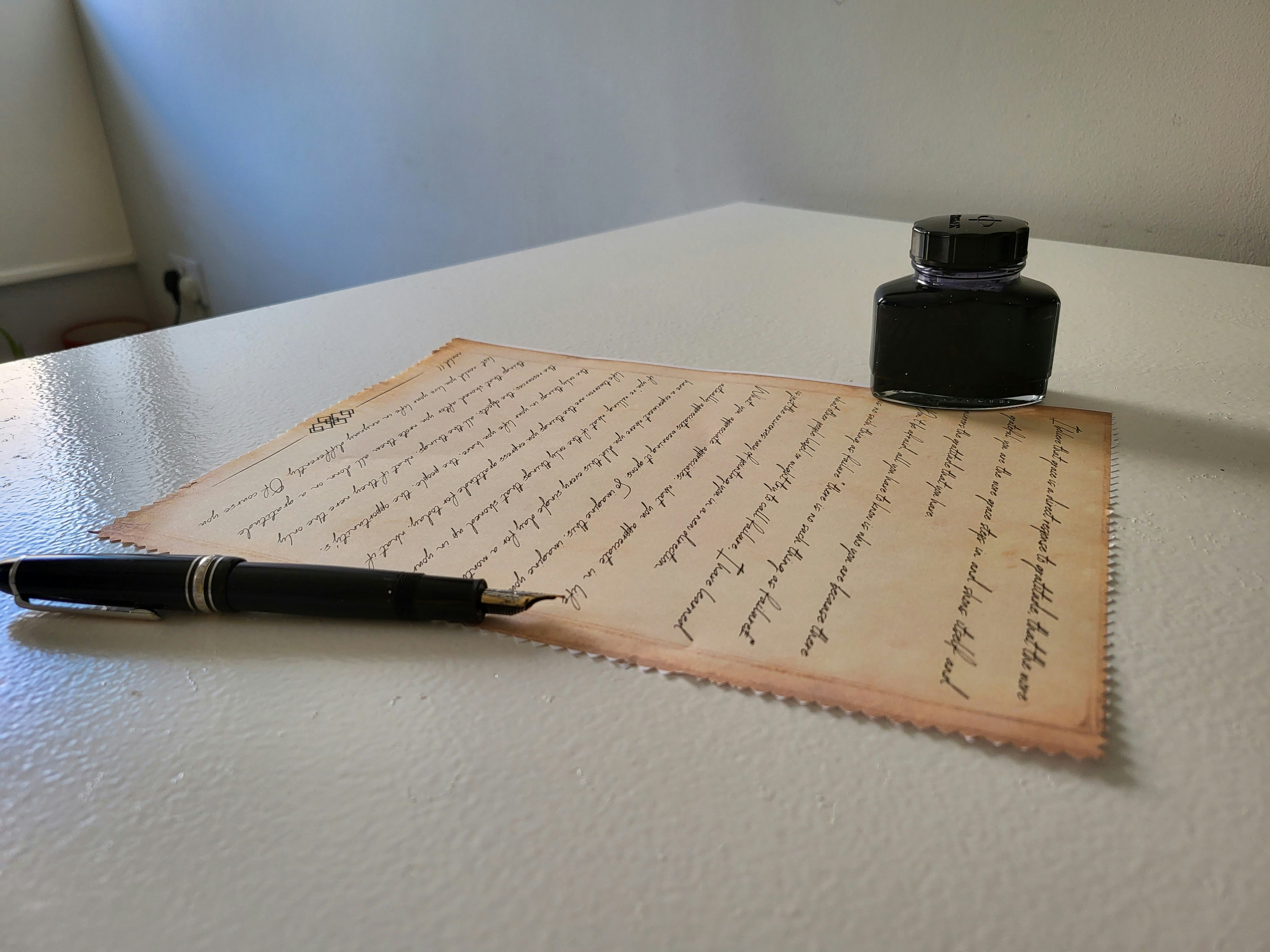
You already lovethe pen.Now learn its language.
Three curated collections. Nibs, inks, and paper — chosen for how you actually write.
The Nib
Library
Every great writing practice begins with understanding the instrument in your hand. The nib is not just metal — it is the translator between intention and page, between the speed of thought and the patience of ink.
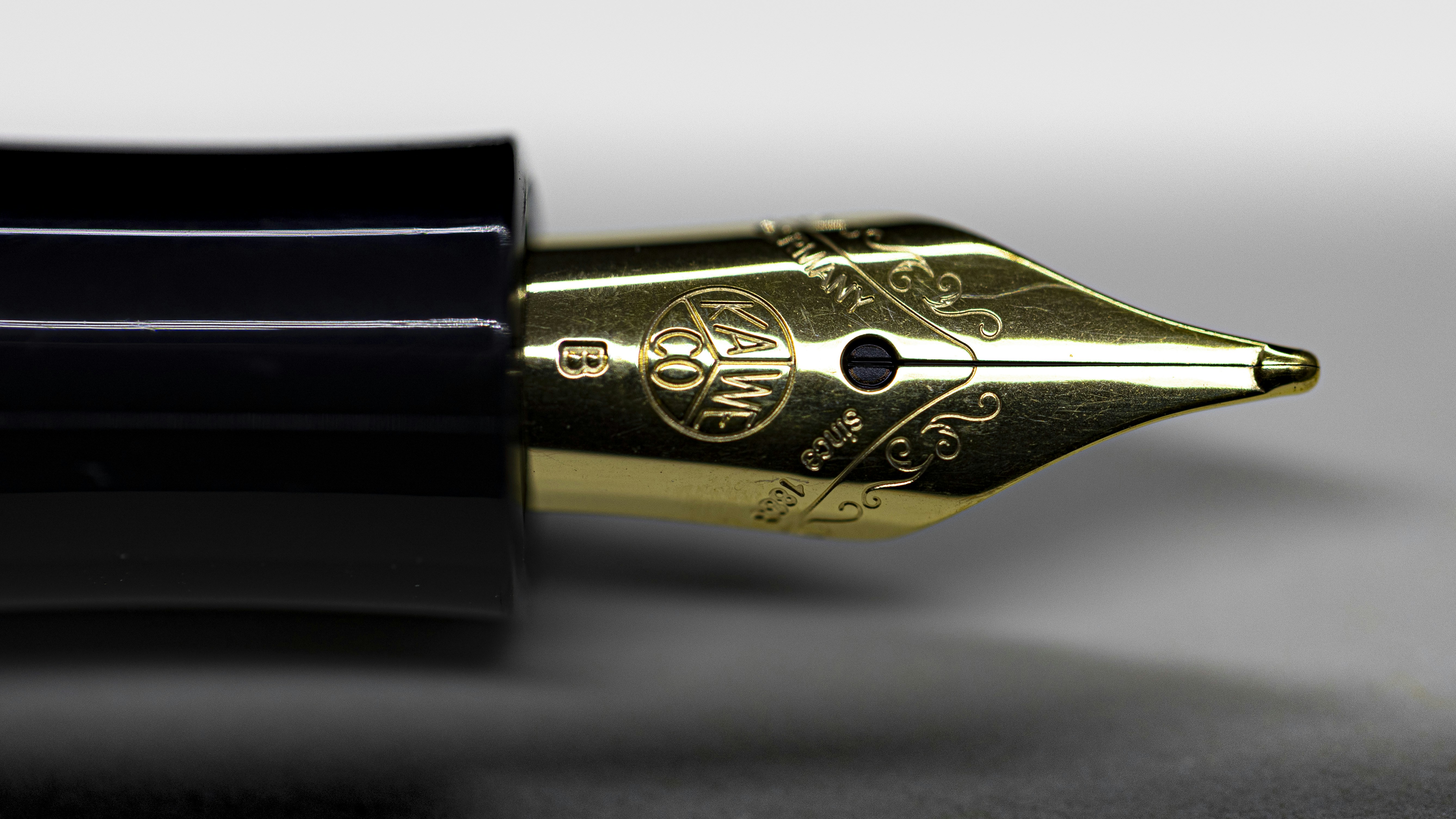
Pen Anatomy
FoundationUnderstanding the nib
Tines, slit, breather hole — every element has a reason. Learn to read a nib the way a sommelier reads a label.
Flex & Pressure
TechniqueThe art of variation
How much flex is too much? We map writing pressure to nib stiffness so your pen works with you, not against you.
Nib Widths
SelectionFrom EF to BB
Extra-fine for small notebooks, broad for expressive headers. Build your first nib wardrobe with intention.
Specialty Nibs
AdvancedStub, italic, cursive
Stub nibs add rhythm to everyday writing. Italic edges create crisp calligraphic contrast. Know when to reach for each.
"I spent three years buying the wrong nibs. One module in and I finally understood why my writing felt like a fight."

The Ink Laboratory
The Paper
Room
Paper is the surface where everything meets — ink, nib, hand pressure, and intention. Choose wrong and even the finest pen feels ordinary.
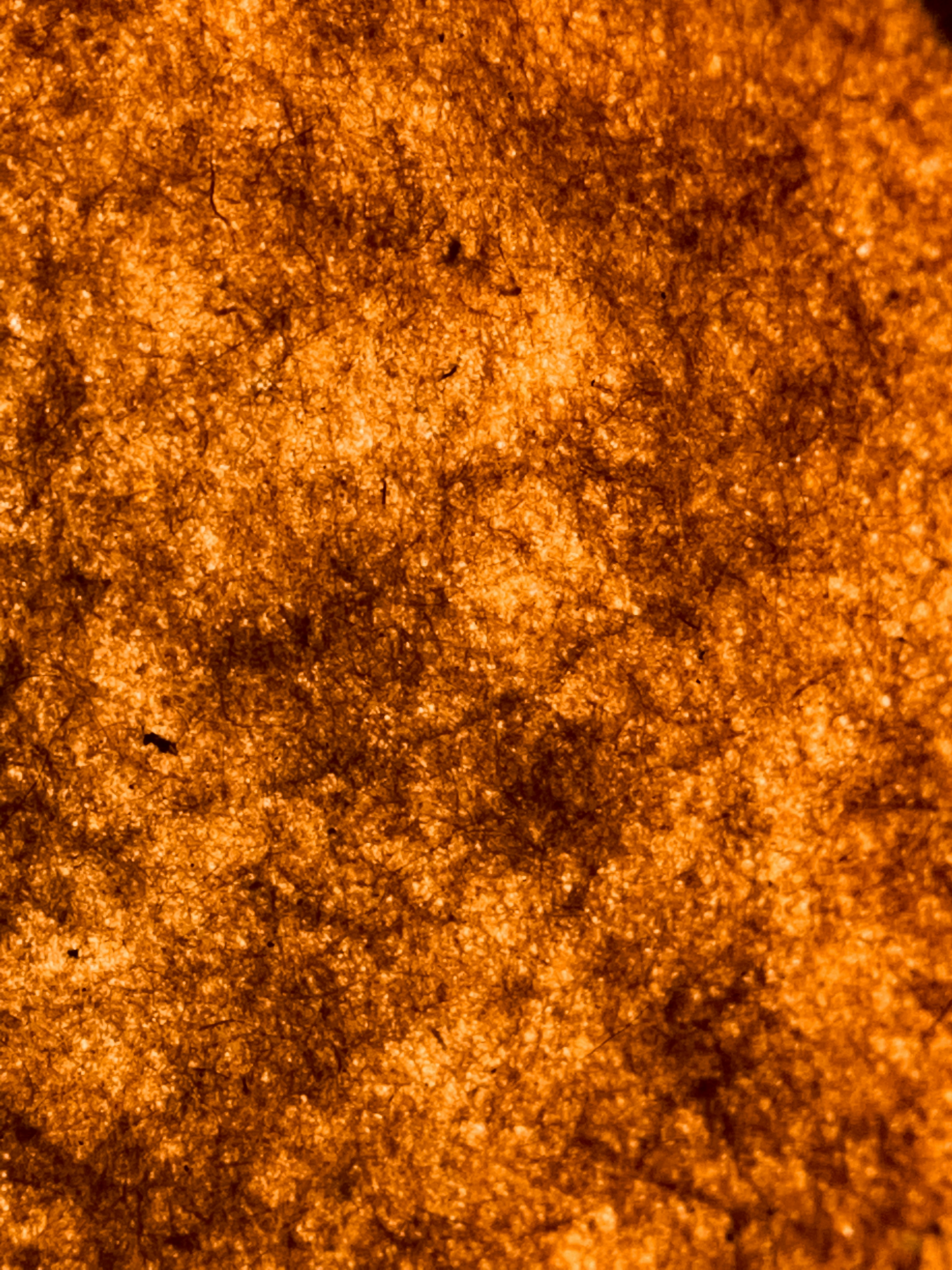
Weight & Tooth
Why Tomoe River at 52gsm can outperform 100gsm copier paper for fountain pens.
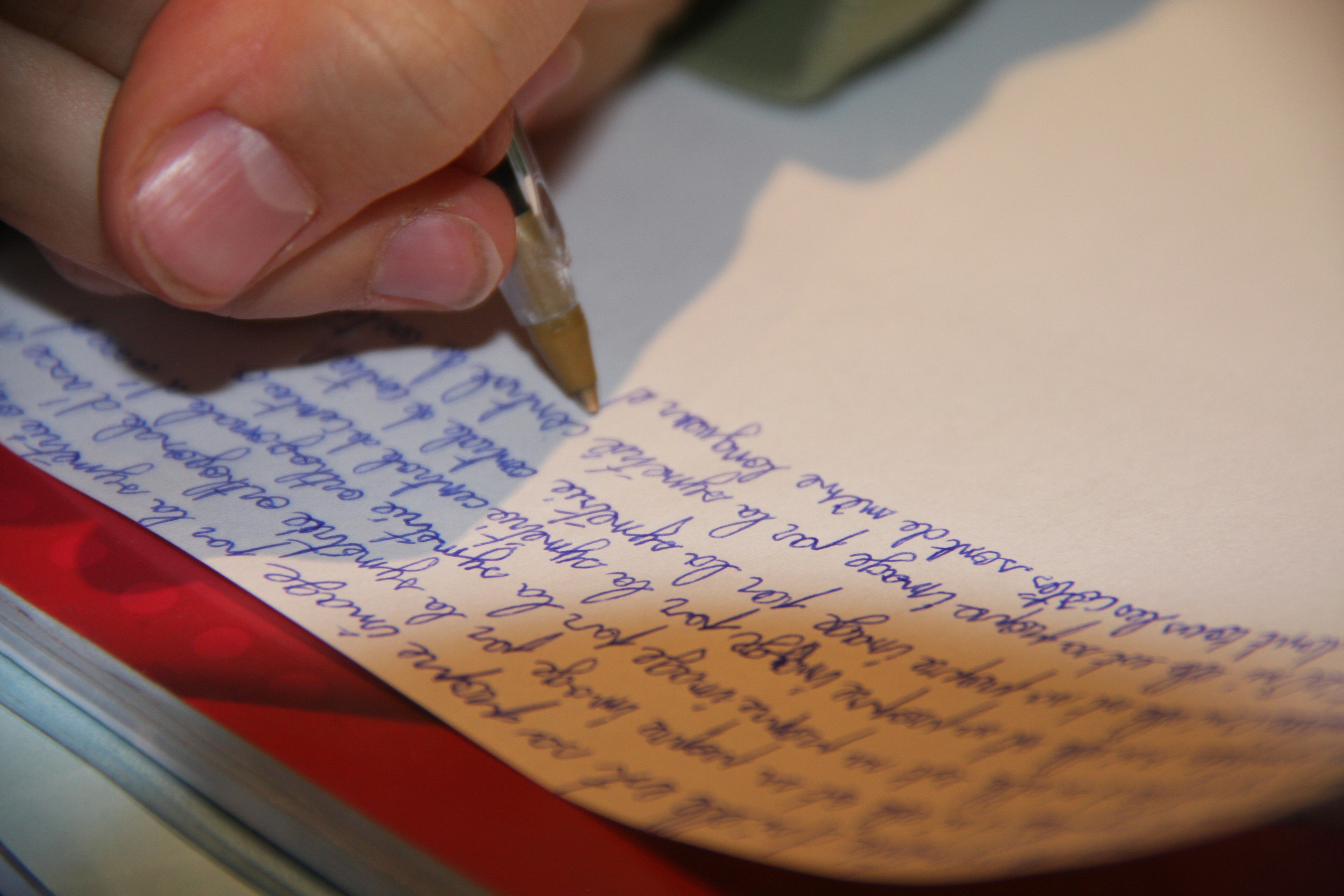
Sizing & Absorbency
Internal vs surface sizing — the invisible chemistry that determines whether your ink stays sharp or spreads.

Ghosting & Show-Through
The beautiful paradox of Tomoe River — ghosting that becomes part of the aesthetic.
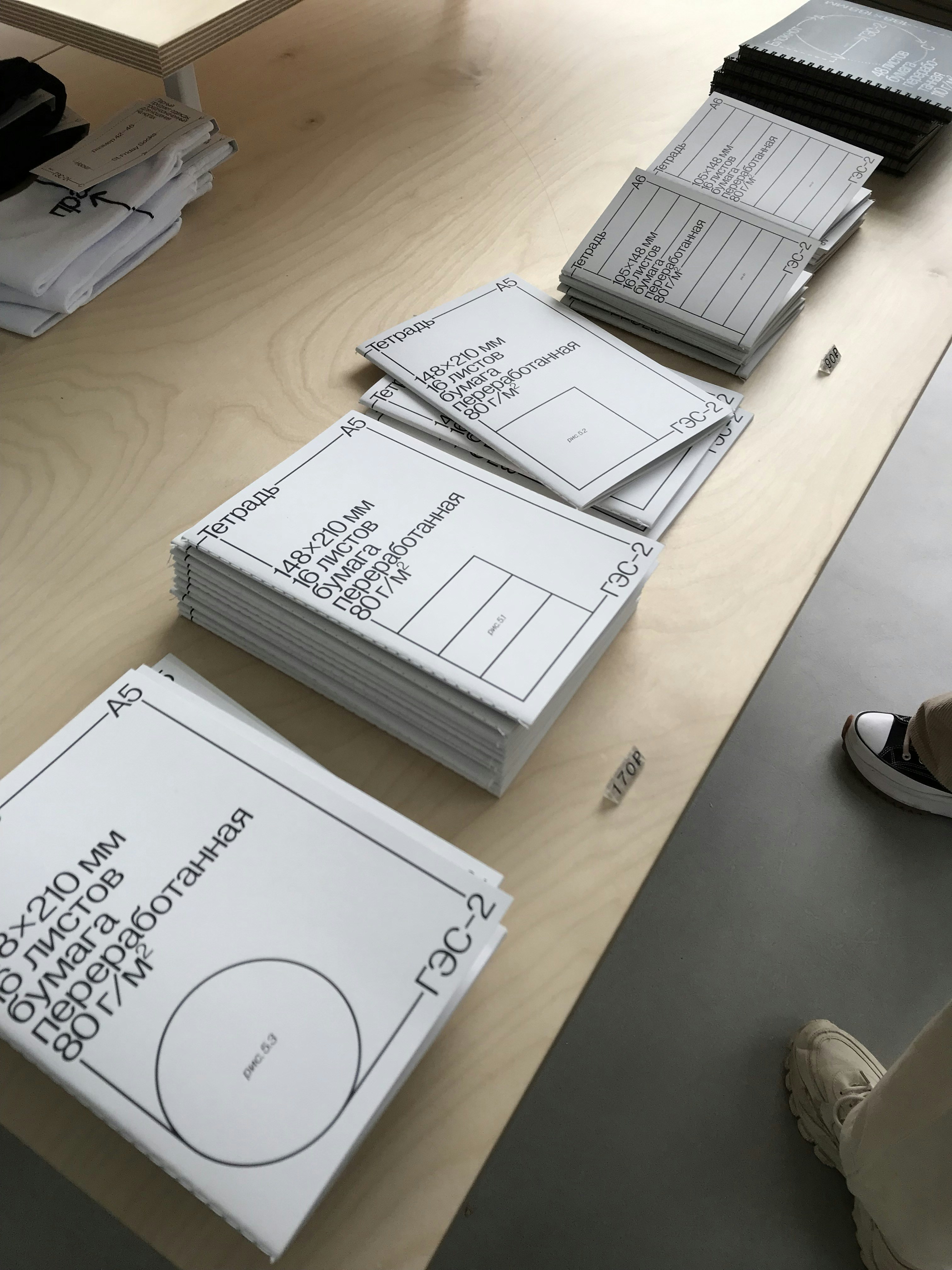
Building Your Wardrobe
Daily journaling, correspondence, calligraphy practice — each deserves its own paper. We help you choose three.

Cotton & Rag Papers
What makes cotton paper feel different in the hand and last centuries longer on the shelf.
Not sure where to begin?
Take three visual questions and we'll map your writing personality to the right starting point.
What students
discovered
I'd been journaling with a fountain pen for two years before Inkwell. I thought I understood pens. The nib anatomy module made me realize I'd been fighting my Lamy Safari with the wrong ink viscosity the entire time. That one insight changed everything.

As a brand designer, I was skeptical that a stationery course could teach me anything new. The ink mixing module alone justified the entire cost. I now have a signature ink blend I use on all client correspondence. It's become part of my professional identity.

I bought Inkwell as a gift for my mother and ended up taking it alongside her. The paper module settled a decade-long disagreement — she was right about Clairefontaine, but I was right about why.